A budget starts with an accurate scope
The first step is not requesting a price but preparing one consistent brief. State room areas, demolition, substrate condition, building services, finish level and which materials each quotation must include.
If tenderers make different assumptions, the lowest price may simply represent an incomplete scope. Drawings, a room-finish schedule and material specification make bids comparable.
Divide cost into clear groups
Separate demolition, construction, services, substrate preparation, final finishes, equipment and furniture. Show labour and materials independently.
- Demolition and waste removal.
- Partitions, ceilings and floor bases.
- Electrical, plumbing, heating and ventilation.
- Painting, tiling, flooring and doors.
- Lighting, sanitaryware, furniture and appliances.
- Design, supervision and handover documentation.
Material level and hidden costs
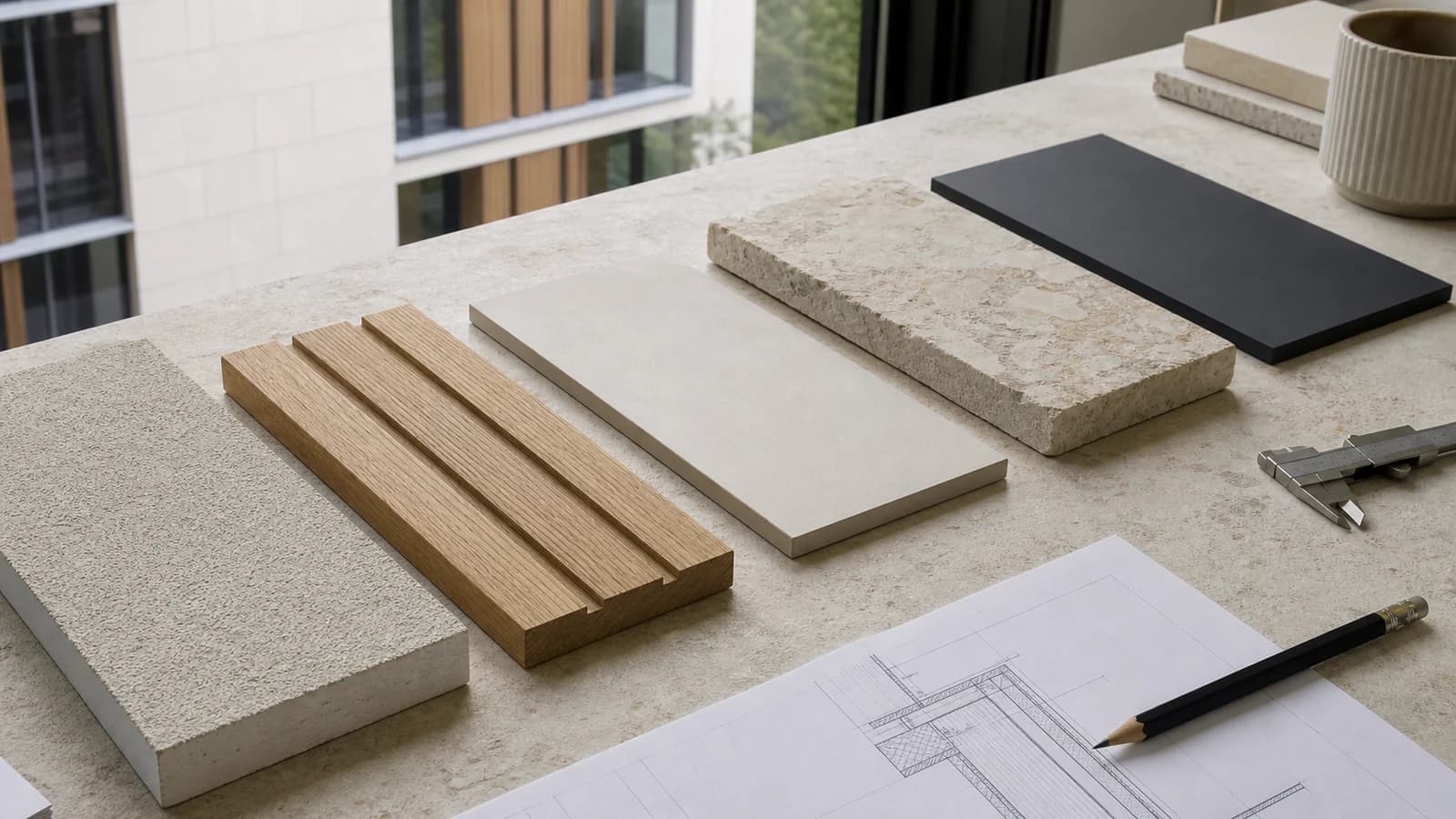
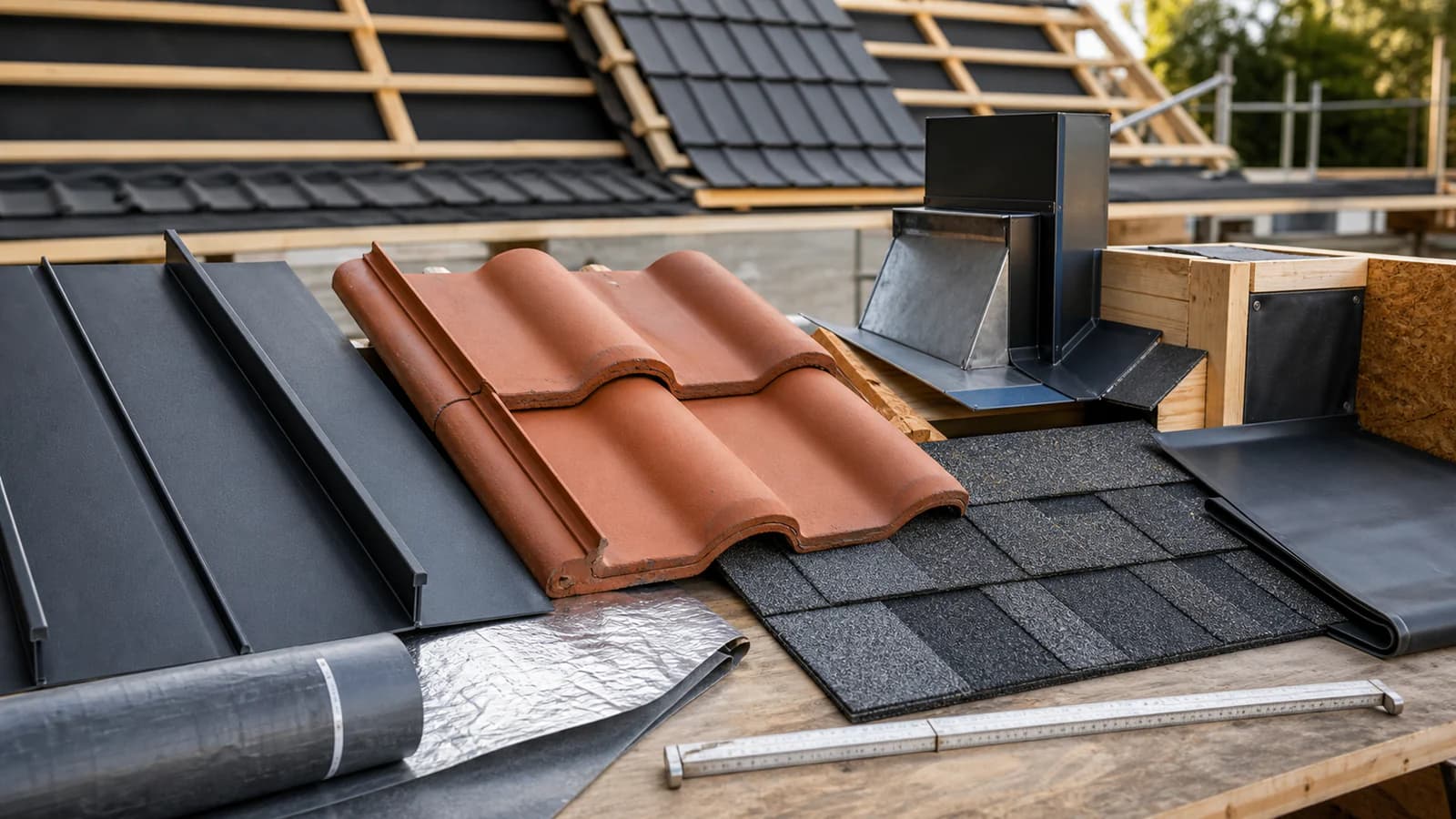
The visible tile or parquet is only part of the price. Include adhesives, trims, waterproofing, levelling, delivery, carrying and wastage. Complex patterns and large formats also increase installation time.
Compare technical performance, lead time and the likelihood of obtaining a matching batch later for repairs.
How much contingency to include
A new-build fit-out may need less contingency than an older apartment renovation. Concealed pipes, weak substrates, moisture and unusual construction can create work that cannot be quantified before strip-out.
Contingency is not a fund for uncontrolled design changes. Keep it as a separate budget line with a clear approval process.
Payment schedule and cash flow
Link payments to verifiable milestones rather than calendar dates alone. Deposits can be reasonable for made-to-order materials, but should correspond to the actual order value.
Each invoice should identify completed work and delivered materials. This makes deviations visible early.
Change control during construction
Start additional work only after documenting the reason, cost and programme effect. Verbal site decisions quickly become disputes about what the original price included.
Maintain one change register and update the forecast final cost regularly. Several small decisions can materially affect the total.
Where to optimise without losing quality
Simplify bespoke details, reduce the variety of material formats and make decisions on time. Do not cut waterproofing, electrical protection, substrate preparation or concealed services—the cost of correcting these failures later is much higher.